

Research ArticleOpen Access, Volume 4 Issue 1
GC–MS characterization, antioxidant capacity, and nutritional prospects of Utebe Ekpo (Eryngium foetidum L.) cultivated in Ikono, Akwa Ibom State, Nigeria: An underexplored functional food resource
Anietie Eyo Robert1*; Uduak Onofiok Luke2; Cletus Anes Ukwubile3; Kenneth Onwe Tochukwu4; Abbas Sani5; Ima Obot Jimmy6
1Department of Medical Biochemistry, Alex Ekwueme Federal University, Ndufu-Alike Ikwo, Ebonyi State, Nigeria.
2Department of Biochemistry, Faculty of Biological Sciences, University of Uyo, Uyo, Nigeria.
3Department of Pharmacognosy, Faculty of Pharmacy, University of Maiduguri, Maiduguri, Nigeria.
4Department of Human Anatomy, Alex Ekwueme Federal University, Ndufu-Alike Ikwo, Ebonyi State, Nigeria.
5Department of Biochemistry, Faculty of Pharmacy, Turkey Institute of Health Sciences Ege University, Izmir, Nigeria.
6Department of Medical Laboratory Science, Alex Ekwueme Federal University, Ndufu-Alike Ikwo, Ebonyi State, Nigeria.
*Corresponding author: Anietie Eyo Robert
Department of Medical Biochemistry, Alex Ekwueme Federal University, Ndufu-Alike Ikwo, Ebonyi State, Nigeria.
Email: roberteyo@gmail.com
Received : Jan 22, 2026 Accepted : Feb 17, 2026 Published : Feb 24, 2026
Epidemiology & Public Health - www.jpublichealth.org
Copyright: Robert AE © All rights are reserved
Citation: Robert AE, Luke UO, Ukwubile CA, Tochukwu KO, Sani A, et al. GC–MS characterization, antioxidant capacity, and nutritional prospects of Utebe Ekpo (Eryngium foetidum L.) cultivated in Ikono, Akwa Ibom State, Nigeria: An underexplored functional food resource. Epidemiol Public Health. 2026; 4(1): 1090.
Abstract
Eryngium foetidum L., locally known as Utebe Ekpo in southern Nigeria, is a tropical leafy herb traditionally consumed as a spice and medicinal plant, yet remains underexplored as a functional food. This study evaluated the phytochemical composition, nutritional profile, Fatty Acid Methyl Ester (FAME) constituents, and antioxidant capacity of E. foetidum leaves cultivated in Ikono, Akwa Ibom State, Nigeria, using standard analytical and spectrometric methods. Quantitative phytochemical analysis revealed polyphenols as the predominant secondary metabolites (11.67±0.33%), followed by flavonoids (7.40±0.12%), alongside steroidal and triterpenoid saponins, coumarins, carotenoids, and alkaloids in lower proportions. Proximate analysis showed a high moisture content (88.20±1.15%) and a nutritionally balanced composition, including carbohydrates (40.00 mg/100 g), crude protein (40.58 mg/100 g), crude fiber (26.67 mg/100 g), and fat (2.43 mg/100 g), yielding a total metabolic energy value of 1970.33 kJ/100 g. Anti-nutritional factors, such as oxalates, phytates, and cyanogenic compounds, were present at concentrations below 1 mg/100 g, indicating a minimal dietary risk. The leaves were particularly rich in vitamins A (1038.31 mg/100 g), C, B-complex vitamins, E, and D, as well as essential minerals including potassium (331.33 mg/100 g), magnesium, zinc, phosphorus, and copper. GC–MS analysis of FAMEs identified twelve compounds, with hexadecanoic acid and methyl esters of linoleic and oleic acids as dominant constituents. Antioxidant assays demonstrated moderate radical scavenging activity, with IC₅₀ values of 28.11 µg/mL (DPPH) and 6.73 µg/mL (ABTS), relative to ascorbic acid. The high total phenolic (1205.11 µg/mL GAE) and flavonoid (128.16 µg/mL QE) contents substantiate the antioxidant potential of the plant. Collectively, these findings position E. foetidum as a promising indigenous functional food; however, further mechanistic and clinical studies are required before its therapeutic application in chronic disease management can be recommended.
Keywords: Eryngium foetidum; Functional food; Antioxidant activity; Phytochemicals; Nutritional composition; GC–MS.
Introduction
The exploration of phytochemical-rich foods as sources of bioactive compounds has gained increasing scientific attention due to their potential roles in mitigating oxidative stress and diet-related chronic diseases. This growing interest is driven by rising global concerns over nutritional inadequacies, meta bolic disorders, and oxidative imbalance associated with mod ern dietary patterns [1,2]. Under investigated indigenous plant resources represent an untapped reservoir of nutritionally and pharmacologically valuable compounds with promising implica tions for public health and sustainable food systems.
Eryngium foetidum L. is a perennial herbaceous plant be longing to the family Apiaceae, typically reaching heights of 30 60 cm. It is widely distributed in tropical regions and is known by various vernacular names, including culantro, Mexican cori ander, and cilantro sabanero [1]. In southern Nigeria, particu larly among the Ibibio people of Akwa Ibom State, the plant is locally referred to as Utebe Ekpo and is commonly cultivated and consumed in Ikono and Abak Local Government Areas. Be yond its culinary significance, E. foetidum has a long history of use in traditional medicine across tropical regions, where it is employed for the management of inflammation, infections, and digestive disorders [1].
Previous studies conducted mainly in Latin America and the Caribbean have reported that E. foetidum is nutritionally rich and contains diverse bioactive constituents, including essential vitamins, minerals, flavonoids, phenolic compounds, phytoster ols, triterpenes, and other secondary metabolites associated with antioxidant and health-promoting effects [1-3]. Despite its ethnobotanical relevance, comprehensive scientific data on the phytochemical composition, antioxidant activity, and nutrition al value of E. foetidum cultivated under specific agro-ecological conditions in Nigeria remain limited.
Environmental factors such as soil composition, climate, and cultivation practices are known to influence the biochemical profile and bioactivity of medicinal and food plants. Therefore, region-specific studies are essential to accurately assess the functional food potential of E. foetidum grown in Ikono, Akwa Ibom State. Addressing this knowledge gap is particularly im portant given emerging evidence that the antioxidant and nu traceutical properties of the plant are closely linked to its poly phenolic and vitamin content [2].
Ikono is an agrarian community where crop cultivation plays a central role in local livelihoods. The scientific validation and promotion of indigenous vegetables such as E. foetidum could contribute meaningfully to food security, nutritional diversifica tion, healthcare resilience, and local economic sustainability. Such efforts align with global objectives focused on sustainable agriculture, biodiversity conservation, and the valorization of underutilized plant resources [5].
Against this backdrop, the present study investigates the GC MS fatty acid profile, antioxidant capacity, and nutritional com position of E. foetidum leaves cultivated in Ikono, Akwa Ibom State, Nigeria. The findings aim to provide a scientific basis for the plant’s classification as a functional food and to encourage its sustainable utilization and wider acceptance in nutrition and health-related applications.
Materials and methods
Collection and identification of plant material
Fresh leaves of Utebe Ekpo (Eryngium foetidum L.) were har vested from a forested area in Nnung Ukim Ikot Etefia, Ikono Local Government Area, Akwa Ibom State, Nigeria. The samples were collected in the early hours of the day to minimize meta bolic degradation. Immediately after collection, the leaves were rinsed thoroughly with clean running water to remove adher ing soil and debris and subsequently stored under refrigerated conditions before analysis. Botanical authentication was carried out by Dr. Imoh I. Johnny, a taxonomist at the University of Uyo, Nigeria. A voucher specimen (MBC/VS/01) was deposited in the Herbarium of the Department of Medical Biochemistry, Alex Ekwueme Federal University, Ndufu-Alike, Nigeria, for future reference.
Preparation and processing of plant material
Quantitative determination of phytochemical constituents, including saponins, polyphenols, flavonoids, alkaloids, carot enoids, sesquiterpenoids, and cardiac glycosides, was conduct ed following established standard methods. Saponin content was determined using the method described, with modifica tions as reported by [6-9]. Column chromatography using silica gel (mesh size 368) was employed for the separation of flavo noids, alkaloids, and sesquiterpene lactones, followed by ex traction with ethyl acetate and gravimetric quantification. Al kaloids were further quantified using alkaline precipitation and gravimetric techniques, while sesquiterpenes were estimated through double extraction and gravimetric analysis [10].
Proximate composition analysis
Proximate parameters, including moisture content, ash, crude fat, crude protein, crude fiber, and carbohydrate, were determined in accordance with standard procedures outlined by the Association of Official Analytical Chemists (AOAC) [11].
Determination of anti-nutritional factors
Anti-nutritional components present in the powdered leaf sample were quantified using established protocols as follows: tannins were estimated using the Folin–Denis spectrophoto metric method, oxalates were determined according to the pro cedure described by [11,12]; phytates were quantified using a standard method [11]; and hydrocyanic acid (HCN) content was assessed by alkaline titration [12,13].
Vitamin analysis
Water-soluble vitamins, including thiamine (B₁), riboflavin (B₂), niacin (B₃), pyridoxine (B₆), biotin, folic acid, and cyano cobalamin (B₁₂), were quantified using High-Performance Liq uid Chromatography (HPLC) as described. Fat-soluble vitamins were similarly determined using HPLC following the protocol reported. Total vitamin C (ascorbic acid plus dehydroascorbic acid) was measured using UV-visible spectrophotometry as de scribed. Briefly, ascorbic acid was oxidized to dehydroascorbic acid using bromine water in an acidic medium. The filtrate was reacted with 2,4-dinitrophenylhydrazine and incubated at 37°C for 3 h. After cooling, 85% sulfuric acid was added to produce a red-colored complex, which was measured at 521 nm, yielding a recovery rate of 78% for total vitamin C. Vitamin A was deter mined spectrophotometrically using iodine in 1,2-dichloroeth ane as a chromogenic agent to eliminate interference from vi tamin D₂ and β-carotene [26], and results were cross-validated using the method described. Total vitamin E content was quan tified using HPLC as described [14-16].
Mineral element analysis
Mineral analysis was performed using Atomic Absorption Spectrometry (AAS). One gram of powdered E. foetidum leaf sample was placed in a porcelain crucible and ashed in a muffle furnace at 300°C for 6 h. The ash was allowed to cool to room temperature (30±2°C) and digested with 20 mL of 4 M nitric acid (HNO₃) and perchloric acid (60%). The digest was diluted to a final volume of 100 mL with deionized water. Concentra tions of Fe, Zn, Se, Mn, Co, Li, Sr, Cr, Na, K, Mg, Cu, and Ni were determined using AAS according to established methods [16].
Energy value determination
The metabolizable energy value (kJ/100 g) was calculated using the Atwater general factors as follows:
Energy (kJ/100 g) = [37× Fat] + [17× Carbohydrate] + [17 × Protein] (1)
Fourier transform infrared (FTIR) analysis
Functional groups present in the bioactive constituents of E. foetidum were identified using a Bruker Alpha II FTIR spectrom eter (USA). Spectra were recorded in absorbance mode over the wavenumber range of 4000–500 cm⁻¹ to identify character istic functional groups corresponding to specific phytochemical classes [15].
GC–MS analysis
Phytochemical constituents were further characterized us ing Gas Chromatography–Mass Spectrometry (GC–MS) analysis performed on an Agilent 7890A GC system coupled with a mass spectrometer. Compounds were identified based on their re tention times, mass-to-charge ratios (m/z), molecular ion peaks (M⁺), and fragmentation patterns, following the protocol as de scribed [17,18].
Determination of Total Phenolic Content (TPC)
Total phenolic content was determined using the Folin–Cio calteu colorimetric method. Ten grams of the dried powdered sample were extracted with 100 mL of methanol. One milliliter of the extract was mixed with 10 mL of deionized water, 2 mL of Folin–Ciocalteu reagent, and 3 mL of sodium carbonate solu tion. The mixture was incubated at room temperature for 90 min for color development, and absorbance was measured at 760 nm using a UV-visible spectrophotometer. Gallic acid was used to construct a standard calibration curve, and results were expressed as mg Gallic Acid Equivalents (GAE) per gram of ex tract [18,19].
Determination of total flavonoid content (TFC)
Total flavonoid content was assessed using the aluminum chloride colorimetric method as described in. Quercetin served as the reference standard, and results were expressed as mg Quercetin Equivalents (QE) per gram of extract [19].
In Vitro antioxidant assays
DPPH radical scavenging assay: The antioxidant activity of the methanol extract was evaluated using the DPPH radical scavenging assay with slight modifications [19]. A DPPH solution was prepared by dissolving 1 g of DPPH in 10 mL of 98.1% (v/v) methanol. Serial dilutions of the extract (100–600 µg/mL) were prepared and mixed with the DPPH solution. Absorbance was measured at 517 nm, with ascorbic acid serving as the positive control. The percentage radical scavenging activity was calcu lated as:

where Absc is the absorbance of the control, and Absg is the absorbance of the extract.
ABTS radical scavenging assay: ABTS radical cation was gen erated by mixing 5 mM ABTS solution with 1 mM potassium persulfate and incubating the mixture in the dark for 24 h. The solution was diluted with methanol to obtain an absorbance of 0.70±0.02 at 734 nm. Thereafter, 100 µL of extract or Trolox standard (100-600 µg/mL) was mixed with 3 mL of ABTS solu tion. Absorbance was recorded after 6 min at 745 nm against a methanol blank [19]. The percentage ABTS scavenging activity was calculated as:

Statistical analysis
All experiments were conducted in triplicate (n=3). Results are presented as mean ± Standard Error of the Mean (SEM). Data were analyzed using one-way analysis of variance (ANOVA), and differences were considered statistically significant at p<0.05.
Results
FTIR characterization of bioactive functional groups
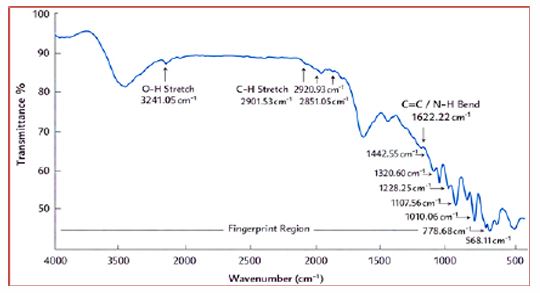
Fourier Transform Infrared (FTIR) spectroscopy was em ployed to identify functional groups associated with bioactive compounds in the Eryngium foetidum leaf extract. The FTIR spectrum revealed a broad absorption band at 3241.05 cm⁻¹, corresponding to O–H stretching vibrations typical of hydroxyl groups found in phenolic compounds and alcohols. Prominent absorption peaks at 2920.93, 2901.53, and 2851.05 cm⁻¹ were attributed to aliphatic C–H stretching vibrations of alkanes. A strong band observed at 1622.22 cm⁻¹ is characteristic of C=C stretching vibrations of aromatic rings and/or N–H bending of amide groups.
The fingerprint region (1500–500 cm⁻¹) exhibited several distinct peaks at 1442.55, 1320.60, 1228.25, 1107.56, 1010.06, 778.68, and 568.11 cm⁻¹, indicating the presence of C–O, C–N, and aromatic skeletal vibrations. These absorption features col lectively suggest the presence of alcohols, phenols, alkanes,
Total phenolic and flavonoid contents
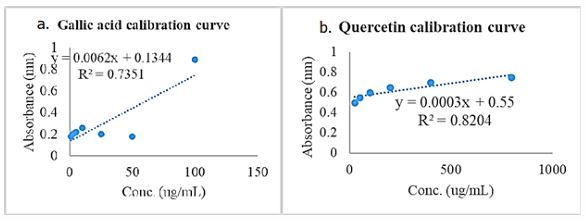
The total phenolic content (TPC) of the E. foetidum methanol extract was quantified as 1205.11 µg/mL Gallic Acid Equivalents (GAE) per 100 g dry weight, based on the gallic acid calibration curve (y=0.0062x+0.1344; R²=0.7351). Total Flavonoid Content (TFC) was determined to be 128.16 µg/mL quercetin equiva lents (QE) per 100 g dry weight using the quercetin standard curve (y=0.0003x+0.55; R²=0.8204). Statistical analysis showed that the phenolic and flavonoid contents of the extract were not significantly different from their respective standard con trols (p>0.05). These results indicate that E. foetidum contains appreciable quantities of phenolic and flavonoid compounds (Figure 2a and b).
In Vitro antioxidant activity
The antioxidant potential of E. foetidum leaf extract was evaluated using DPPH and ABTS radical scavenging assays. The extract exhibited IC₅₀ values of 28.11 µg/mL for DPPH radicals and 6.73 µg/mL for ABTS radicals. In comparison, the standard antioxidant, ascorbic acid, showed IC₅₀ values of 8.22 µg/mL (DPPH) and 4.24 µg/mL (ABTS) (Table 1). Although the extract demonstrated higher IC₅₀ values than ascorbic acid, indicating comparatively lower radical scavenging potency, the differences between the extract and the control were not statistically sig nificant (p>0.05). This suggests that E. foetidum possesses sub stantial antioxidant capacity.
Table 1: Antioxidant activity of E. foetidum leaf extract.
| Sample | DPPH IC₅₀ (µg/mL) | ABTS IC₅₀ (µg/mL) |
|---|---|---|
| Extract | 28.11 | 6.73 |
| Ascorbic acid | 8.22 | 4.24 |
GC–MS profiling of phytochemical constituents
Gas Chromatography–Mass Spectrometry (GC–MS) analysis of the methanol leaf extract of E. foetidum revealed the pres ence of twelve bioactive compounds (Figure 3 & Table 2). The identified constituents were predominantly Fatty Acid Methyl Esters (FAMEs), along with one diterpene alcohol. The major compounds included hexadecanoic acid methyl ester (24.75%), 9,12-octadecadienoic acid methyl ester (28.68%), 8,11-octa decadienoic acid methyl ester (20.81%), and 9,12-octadecadi enoic acid (Z, Z)-methyl ester (11.99%). Phytol (9.73%), a diter pene alcohol, was also detected. Minor components included methyl tetradecanoate, methyl stearate, and methyl nonadec anoate.
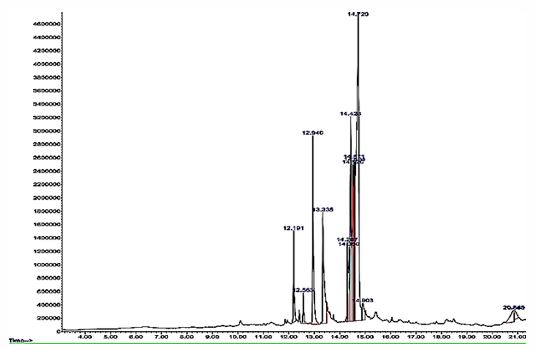
Table 2: GC-MS profiles of bioactive compounds from E. foetidium.
| Pk # | RT (min) | Area (%) | Compound identified | m/z | Class |
|---|---|---|---|---|---|
| 1 | 12.19 | 0.55 | Methyl tetradecanoate | 242 | FAME |
| 2 | 12.054 | 0.29 | 9-Dodecenoic acid, methylester E | 212 | FAME |
| 3 | 13.58 | 24.75 | Hexadecanoic acid, methylester | 270 | FAME |
| 4 | 14.52 | 28.68 | 9,12-Octadecadienoic acid, methylester | 294 | FAME |
| 5 | 14.65 | 20.81 | 8,11-Octadecadienoic acid, methylester | 294.5 | FAME |
| 6 | 14.72 | 11.99 | 9,12-Octadecadienoic acid (Z, Z)- methylEster | 294.5 | FAME |
| 7 | 14.8 | 10.52 | 6-Octadecenoicacid, methyl ester, (Z)- | 296.5 | FAME |
| 8 | 14.9 | 2.2 | Methyl stearate | 298 | FAME |
| 9 | 15 | 0.2 | Methyl 18 methylnonadecanoate | 326 | FAME |
| 10 | 15.3 | 2.62 | 9,12-Octadecadienoic acid, methylester | 294.5 | FAME |
| 11 | 15.36 | 4.02 | 9,12,15-Octadecatrienoic acid, methylesters, (Z, Z,Z) | 292 | FAME |
| 12 | 20.43 | 9.73 | Phytol | 296 | Dipertene alcohol |
Pk #: Peak Number; RT: Retention Time; FAME: Fatty Acid Methyl Esters; m/z: Molecular Ion
Quantitative phytochemical composition
Quantitative phytochemical analysis showed that E. foeti dum leaves contained high levels of polyphenols (11.67±0.33 mg/g) and total flavonoids (7.40±0.12 mg/g). Steroidal saponins (5.20±0.17 mg/g) and triterpenoid saponins (4.87±0.24 mg/g) were also present in substantial amounts. Other phytochemi cals detected included coumarins (3.50±0.06 mg/g), polyacety lenes (3.55±0.12 mg/g), tannins (1.67±0.29 mg/g), xanthonoids (1.05±0.11 mg/g), volatile organic acids (0.88±0.02 mg/g), and carotenoids (0.73±0.01 mg/g). Alkaloids were present at very low concentrations (0.04±0.00 mg/g). The results demonstrate a chemically diverse phytochemical profile (Table 3).
Table 3: Phytochemical composition of E. foetidum (mg/g).
| Constituent | Mean±SEM |
|---|---|
| Polyphenols | 11.67±0.33 |
| Total flavonoids | 7.40±0.12 |
| Steroidal saponins | 5.20±0.17 |
| Triterpenoid | 4.87±0.24 |
| Coumarins | 3.50±0.06 |
| Total carotenoids | 0.73±0.01 |
| Alkaloids | 0.04±0.00 |
| Tannins | 1.67±0.29 |
| Polyacetylenes | 3.55±0.12 |
| Total xanthonoids | 1.05±0.11 |
| Volatile organic acids | 0.88±0.02 |
Values are mean ± SEM (n=3).
Proximate composition
Proximate analysis revealed that E. foetidum leaves are nutri tionally rich (Table 4). The sample contained high levels of protein (40.58±0.58 mg/100 g) and carbohydrates (40.00±0.58 mg/100 g), alongside considerable crude fiber content (26.67±0.88 mg/100 g). Total fat content was low (2.43±0.03 mg/100 g). Moisture content was high in fresh leaves (88.20±1.15%) but reduced in dried samples (11.90±0.21%). Ash content was 10.75±0.66 mg/100 g, reflecting substantial mineral presence. The calculated energy value was 1970.33±7.80 kJ/100 g.
Table 4: Proximate composition of E. foetidum.
| Component | Mean ± SEM |
|---|---|
| Carbohydrates | 40.00±0.58 |
| Crude fiber | 26.67±0.88 |
| Total fat | 2.43±0.03 |
| Total proteins | 40.58±0.58 |
| Moisture content (Fresh) | 88.20±1.15 |
| Moisture content (Dry) | 11.90±0.21 |
| Total ash | 10.75±0.66 |
| Energy (KJ/100g) | 1970.33±7.80 |
Note. Values are mean ± SEM of three determinations.
Anti-nutrient and vitamin composition
Anti-nutrient analysis showed low concentrations of phy tates (0.51±0.02 mg/100 g), oxalates (0.27±0.01 mg/100 g), and cyanates (0.04±0.01 mg/100 g) (Table 5). Vitamin analy sis revealed a high vitamin A content (1038.31±8.66 mg/100 g), followed by vitamin C (169.00±2.60 mg/100 g), vitamin B₂ (59.00±1.21 mg/100 g), vitamin E (30.33±0.69 mg/100 g), and vitamin B₁ (8.71±0.26 mg/100 g). Lower concentrations of vita mins B₆, B₁₂, and D were also detected (Table 6).
Table 5: Anti-Nutrient Composition of E. foetidium.
| Anti-nutrient | Mean ± SEM |
|---|---|
| Oxalates | 0.27±0.01 |
| Phytates | 0.51±0.02 |
| Cyanates | 0.04±0.01 |
Values are mean ± SEM (n=3).
Table 6: Vitamin Composition of E. foetidium.
| Vitamin | Mean± SEM |
|---|---|
| Vitamin A | 1038.31±8.66 |
| Vitamin C | 169.00±2.60 |
| Vitamin B2 | 59.00±1.21 |
| Vitamin E | 30.33±0.69 |
| Vitamin B1 | 8.71±0.26 |
| Vitamin B6 | 1.83±0.03 |
| Vitamin B12 | 0.13±0.01 |
| Vitamin D | 0.22±0.01 |
Values are mean ± SEM (n=3).
Mineral composition
The mineral composition of E. foetidum leaves, expressed on a dry matter basis, is presented in (Table 7). Potassium was the most abundant mineral (331.33±6.96% w/w DMB), followed by zinc (280.20±0.00% w/w DMB), magnesium (126.67±0.88% w/w DMB), and phosphorus (63.67±1.86% w/w DMB). Moder ate levels of copper and boron were observed, while calcium, iron, sodium, selenium, and manganese were present in smaller quantities. These results indicate a nutritionally significant min eral profile.
Table 7: Mineral composition of E. foetidum (% w/w DMB).
| Minerals | Mean ± SEM |
|---|---|
| Potassium (K) | 331.33 ± 6.96 |
| Zinc (Zn) | 280.20 ± 0.00 |
| Magnesium (Mg) | 126.67 ± 0.88 |
| Phosphorus (P) | 63.67± 1.86 |
| Copper (Cu) | 57.52± 0.20 |
| Boron (Bo) | 30.33± 2.40 |
| Iron (Fe) | 0.22 ±0.03 |
| Sodium (Na) | 0.28± 0.02 |
| Selenium (Se) | 0.18± 0.02 |
| Manganese (Mn) | 0.24± 0.02 |
| Calcium (Ca) | 1.26± 0.02 |
Values are mean ± SEM (n=3).
Discussion
Phytochemicals from underutilized edible plants are increas ingly recognized as valuable sources of nutraceuticals due to their roles in metabolic regulation, antioxidant defense, and cellular protection. In regions facing rising burdens of oxida tive stress–related diseases and micronutrient deficiencies, the exploration of affordable, locally available plant resources is of considerable public health importance. Eryngium foetidum (locally known as Utebe Ekpo in South–South Nigeria) is one such plant with significant ethnobotanical relevance but limited scientific characterization. The present study provides the first comprehensive evaluation of the phytochemical composition, antioxidant activity, and nutritional profile of E. foetidum culti vated in Ikono, Akwa Ibom State. The findings strongly support its potential development as a functional food and nutraceuti cal resource for dietary and health interventions in resource limited settings.
The phytochemical analysis of E. foetidum revealed a diverse spectrum of bioactive secondary metabolites, underscoring its therapeutic potential. Notably, the high polyphenol content (11.67±0.33 mg/g) positions the plant as a rich source of anti oxidant compounds. Polyphenols are well established for their ability to neutralize Reactive Oxygen Species (ROS), modulate inflammatory pathways, and reduce the risk of chronic diseas es. Compared with other widely studied leafy vegetables such as Ocimum gratissimum and Moringa oleifera, the polyphenol abundance in E. foetidum highlights its promise as an alternative antioxidant-rich dietary source. The presence of both steroidal (5.20±0.17 mg/g) and triterpenoid saponins (4.87±0.24 mg/g) suggests potential immunomodulatory, hypocholesterolemic, and anti-inflammatory effects. These activities are comparable to those reported for saponin-rich medicinal plants such as Panax ginseng [17,18]. Importantly, the combined saponin lev els remain well below toxicity thresholds, supporting the safety of E. foetidum for regular dietary consumption.
Flavonoids (7.40±0.12 mg/g) further strengthen the plant’s pharmacological profile. These compounds are known for their strong antioxidants, anti-inflammatory, antimicrobial, and hep atoprotective properties, largely through ROS scavenging and inhibition of pro-inflammatory cytokines. The flavonoid content of E. foetidum aligns with reports from flavonoid-rich plants such as Ginkgo biloba and green tea, reinforcing its relevance in oxi dative stress mitigation [20,21]. Other detected phytochemicals contribute complementary bioactivities. Coumarins (3.50±0.06 mg/g) are associated with anticoagulants and antiviral effects, consistent with findings in Angelica archangelica. Polyacety lenes (3.55±0.12 mg/g) are particularly noteworthy due to their documented cytotoxic and antimicrobial activities, suggesting possible anticancer relevance. Xanthonoids (1.05±0.11 mg/g), although present in smaller amounts, are known for antimalari al and neuroprotective properties, as reported in Garcinia man gostana. Moderate tannin levels (1.67±0.29 mg/g) indicate mild astringency, which may be beneficial for gastrointestinal health without significantly impairing protein digestibility. Carotenoids (0.73±0.01 mg/g) contribute to visual health and immune sup port, while the negligible alkaloid content (0.04±0.00 mg/g) minimizes toxicity risks commonly associated with alkaloid-rich plants. Additionally, volatile organic acids (0.88±0.02 mg/g) may enhance antimicrobial and preservative properties, supporting the plant’s traditional culinary use [22].
The proximate composition of E. foetidum revealed a nutri tionally dense profile characterized by balanced macronutri ents. The protein content (40.58±0.58 mg/100 g) exceeds that reported for common leafy vegetables such as spinach and kale, highlighting its potential role as a plant-based protein supple ment, particularly in regions where animal protein is scarce or unaffordable [20,22-25]. Proteins are essential for tissue repair, enzymatic activity, and immune competence, making this find ing nutritionally significant. Carbohydrates (40.00±0.58 mg/100 g) and crude fiber (26.67±0.88 mg/100 g) constitute the bulk of the dry matter. The high fiber content surpasses that of veg etables such as lettuce and cabbage, suggesting benefits for gastrointestinal health, glycemic control, and cholesterol re duction. The low-fat content (2.43±0.03 mg/100 g) further sup ports its suitability for low-fat diets and cardiovascular health [26]. Moisture content was high in fresh samples (88.20±1.15%) but markedly reduced upon drying (11.90±0.21%), a character istic typical of leafy vegetables. High moisture contributes to hydration and low caloric density but necessitates appropriate post-harvest handling to prevent spoilage [27]. The ash content (10.75±0.66 mg/100 g) reflects substantial mineral availability, reinforcing the nutritional value of E. foetidum. The calculated energy value (1970.33±7.80 kJ/100 g) classifies the plant as a moderate energy source, primarily derived from proteins and carbohydrates. The anti-nutrient composition of E. foetidum was remarkably low, supporting its safety for human consump tion. Oxalate levels (0.27±0.01 mg/100 g) were negligible com pared to those found in spinach and amaranth, significantly reducing the risk of calcium oxalated kidney stone formation. Similarly, the phytate content (0.51±0.02 mg/100 g) was far lower than levels reported in cereals and legumes, indicating minimal interference with mineral bioavailability [28-30].
Cyanates were detected only in trace amounts (0.04±0.01 mg/100 g), well below WHO safety thresholds. This contrasts sharply with cyanogenic plants such as cassava and eliminates the need for detoxification processing. Collectively, the low anti-nutrient levels enhance the nutritional accessibility and safety profile of E. foetidum, supporting its suitability for regu lar dietary inclusion. The vitamin profile of E. foetidum further underscores its nutritional importance. The exceptionally high vitamin A content (1038.31±8.66 mg/100 g) exceeds levels re ported in many commonly consumed leafy vegetables. Given the global prevalence of vitamin A deficiency and its association with visual impairment and immune dysfunction, E. foetidum may serve as a valuable dietary intervention. Vitamin C content (169.00±2.60 mg/100 g) was also substantial, comparable to that of citrus fruits. Vitamin C enhances iron absorption, sup ports immune defense, and acts as a potent antioxidant. The presence of riboflavin (59.00±1.21 mg/100 g) and thiamine (8.71±0.26 mg/100 g) at appreciable levels further supports its role in energy metabolism and nervous system function. Vitamin E (30.33±0.69 mg/100 g), a lipid-soluble antioxidant, contributes to cellular protection against oxidative damage and compares favorably with other antioxidant-rich vegetables. Trace amounts of vitamins B6, B12, and D expand the micronu trient spectrum of E. foetidum, enhancing its overall nutritional relevance. The mineral analysis revealed potassium as the most abundant element (331.33±6.96% w/w DMB), supporting roles in fluid balance, nerve transmission, and cardiovascular health. Zinc (280.20±0.00% w/w DMB) was also present at high levels, highlighting the plant’s potential to address zinc deficiency and support immune function, particularly in populations with lim ited access to animal-derived foods [30].
Magnesium (126.67±0.88% w/w DMB) and phosphorus (63.67±1.86% w/w DMB) contribute to enzymatic activity, en ergy metabolism, and skeletal health [31]. Copper and boron, though less emphasized nutritionally, play important roles in iron metabolism, collagen synthesis, and bone health. Calcium levels, while lower than in some leafy greens [31,32], still con tribute meaningfully to daily requirements. The low sodium-to potassium ratio further enhances the antihypertensive poten tial of E. foetidum. The high total phenolic content (1205.11 µg/ mL GAE/100 g) and flavonoid content (128.16 µg/mL QE/100 g) confirm E. foetidum as a reservoir of antioxidant compounds. These findings correlate strongly with the observed antioxi dant activities in DPPH and ABTS assays. Although the DPPH IC₅₀ was higher than that of ascorbic acid, the ABTS scavenging activity was comparable, suggesting effective electron-donat ing capacity. GC–MS analysis further revealed that the extract was dominated by fatty acid methyl esters, particularly methyl hexadecanoate and methyl linoleate, which are known for an ti-inflammatory and antioxidant properties. The identification of phytol, a bioactive diterpene alcohol, provides additional mechanistic support for the antioxidant and anti-inflammatory activities observed.
Conclusion
The present study demonstrates that Eryngium foetidum leaves possess a rich and diverse phytochemical profile, along side substantial amounts of essential nutrients, vitamins, and bioactive fatty acids, collectively contributing to their antioxi dant potential. The high levels of polyphenols and flavonoids, coupled with low concentrations of anti-nutritional factors, highlight the suitability of this plant as a valuable component of functional foods and nutraceutical formulations. The ap preciable vitamins and mineral contents further underscore its nutritional significance and potential role in improving di etary quality. Antioxidant assays revealed moderate free radi cal–scavenging activity, with values that were comparable, though slightly lower, than those of standard antioxidants such as ascorbic acid. To the best of our knowledge, this study repre sents one of the few comprehensive evaluations of the phyto chemical, nutritional, and antioxidant properties of E. foetidum leaves from this region. Collectively, the findings suggest that E. foetidum may contribute to the modulation of oxidative stress and support dietary management of chronic diseases. However, further validation through in vivo studies and clinical investiga tions is necessary to substantiate these in vitro observations. Future research should focus on the isolation and characteriza tion of key bioactive compounds, their bioavailability, and the underlying mechanisms of action to fully explore their thera peutic potential.
Declarations
Acknowledgement: We are grateful to Mr. Matthew Abu of the University of Maiduguri for his technical assistance.
Data availability: Data will be made available on genuine request.
References
- Rodrigues T, Silva M, Gurgel E, Oliveira M, Lucas F. Eryngium foetidum L. (Apiaceae): a literature review of traditional uses, chemical composition, and pharmacological activities. Evid Based Complement Alternat Med. 2022; 2022: 2896895.
- Chinwe U. Bitter herbs of Eastern Nigeria (Gongronema latifolium, Vernonia amygdalina and Vitex doniana): a review. Afr J Tradit Complement Altern Med. 2018; 15: 47–56.
- Abu N, Ozoagudike C, Akaneme F. Phytochemical, proximate and anti-nutrient compositions of four leafy vegetables used in Southeastern Nigeria. Afr J Biotechnol. 2014; 13: 4541–4546.
- Hussain A, Arif M, Ahmed A, et al. Evaluation of leaves, flowers, and seeds of coriander (Coriandrum sativum L.) through microwave drying and ultrasonic-assisted extraction for biologically active components. J Food Process Preserv. 2024.
- Iqbal M, Butt MS, Suleria HAR. Coriander (Coriandrum sativum L.): bioactive molecules and health effects. In: Bioactive Molecules in Food. Cham: Springer; 2019. p. 2199–2235.
- Natesh HN, Abbey L, Asiedu SK. An overview of nutritional and antinutritional factors in green leafy vegetables. Hortic Int J. 2017; 1: 58–65.
- Thakur V, Mal D, Soga K, Gandhi A. A review on nutritional quality of green leafy vegetables. Ecol Environ Conserv. 2022; 28: S59.
- Leitão D, Barbosa-Carvalho A, de Siqueira F, et al. Extracts of Eryngium foetidum leaves from the Amazonia were efficient scavengers of ROS and RNS. Antioxidants (Basel). 2023; 12: 1112.
- Branco A, Vattamparambil A, Landry G. Lead (Pb²⁺)-induced calcium oxalate crystallization ex vivo is ameliorated via inositol 1,4,5-trisphosphate receptor knockdown in a Drosophila melanogaster model of nephrolithiasis. Environ Toxicol Pharmacol. 2021; 87: 103695.
- Lopez HW, Leenhardt F, Coudray C, Remesy C. Minerals and phytic acid interactions: is it a real problem for human nutrition? Int J Food Sci Technol. 2002; 37: 727–739.
- Grases F, Prieto RM, Costa-Bauza A. Dietary phytate and interactions with mineral nutrients. In: Phytate: Properties, Applications and Health Effects. New York: Springer; 2017. p. 175–183.
- Eberhard M, Föller M, Lang F. Effect of phytic acid on suicidal erythrocyte death. J Agric Food Chem. 2010; 58: 2028–2033.
- Yang K, Jian S, Wen C, et al. Gallnut tannic acid exerts anti-stress effects on stress-induced inflammatory response, dysbiotic gut microbiota, and alterations of serum metabolic profile in beagle dogs. Front Nutr. 2022; 9: 847966.
- Barrett AH, Ndou T, Hughey CA, et al. Inhibition of α-amylase and glucoamylase by tannins extracted from cocoa, pomegranates, cranberries, and grapes. J Agric Food Chem. 2013; 61: 1477–1486.
- Igile GO, Iwara IA, Mgbeje BIA, Uboh FE, Ebong PE. Phytochemical, proximate and nutrient composition of Vernonia calvaona Hook (Asteraceae): a green leafy vegetable in Nigeria. J Food Res. 2013; 2: 1.
- Birk Y, Bondi A, Gestetner B, Ishaya IA. Thermostable hemolytic factor in soybeans. Nature. 1963; 197: 1089–1096.
- Achinewhu SC. The saponins content of some Nigerian oil seeds. Plant Foods Hum Nutr. 1983; 33: 3–9.
- Okigbo RN, Ezebo RO, Okoli SI. Phytochemical analysis of Xylopia aethiopica, Citrus limon and Allium sativum extracts and their effect on selected human pathogens. Adv Med Plant Res. 2020; 8: 35–42.
- AOAC. Official Methods of Analysis. 14th ed. Washington (DC): Association of Official Analytical Chemists; 1984.
- FAO. Manuals of Food Quality Control: Food Analysis—General Techniques, Additives, Contaminants and Composition. FAO Food Nutr Pap. 1986; 14: 203–232.
- Konyeme TE, Nyananyo BL, Tanee FBG. Phytochemical composition of tubers of selected accessions of African yam bean (Sphenostylis stenocarpa). Scientia Africana. 2021; 20: 1–16.
- Jocelyne RE, Béhiblo K, Ernest AK. Comparative study of nutritional value of wheat, maize, sorghum, millet and fonio consumed in Côte d’Ivoire. Eur Sci J. 2020; 16: 118–131.
- Reddy MB, Love M. The impact of food processing on the nutritional quality of vitamins and minerals. Adv Exp Med Biol. 1999; 459: 99–106.
- AOAC. Official Methods of Analysis. 15th ed. Arlington (VA): Association of Official Analytical Chemists; 1990.
- Jin P, Xia L, Li Z, et al. Rapid determination of water-soluble vitamins in multivitamin tablets by HPLC-DAD. J Pharm Biomed Anal. 2012; 70: 151–157.
- Scalar. Segregated Flow Analyzer for Analytical Laboratories. Netherlands; 2000.
- Desai AP, Desai S. UV spectroscopic method for determination of vitamin C in fruits. Int J Environ Sci Nat Resour. 2019; 22: 41–44.
- Pearson D. The Chemical Analysis of Foods. 7th ed. Edinburgh: Churchill Livingstone; 1976.
- Katsanidis E, Addis PB. Novel HPLC analysis of tocopherols, tocotrienols and cholesterol in tissue. Free Radic Biol Med. 1999; 27: 1137–1140.
- James CS. Analytical Chemistry of Food. New York: Chapman & Hall; 1995.
- Shivanna SK, Naik NL, Nataraj BH, Rao PS. Moringa marvel: navigating therapeutic insights and safety features for future functional foods. J Food Meas Charact. 2024; 18: 4940–4971.
- Xie R, Ponnampalam EN, Ahmadi F, Dunshea FR, Suleria HAR. Antioxidant potential and characterization of polyphenol compounds in Moringa oleifera pods. Food Sci Nutr. 2024; 12: 10881–10902.